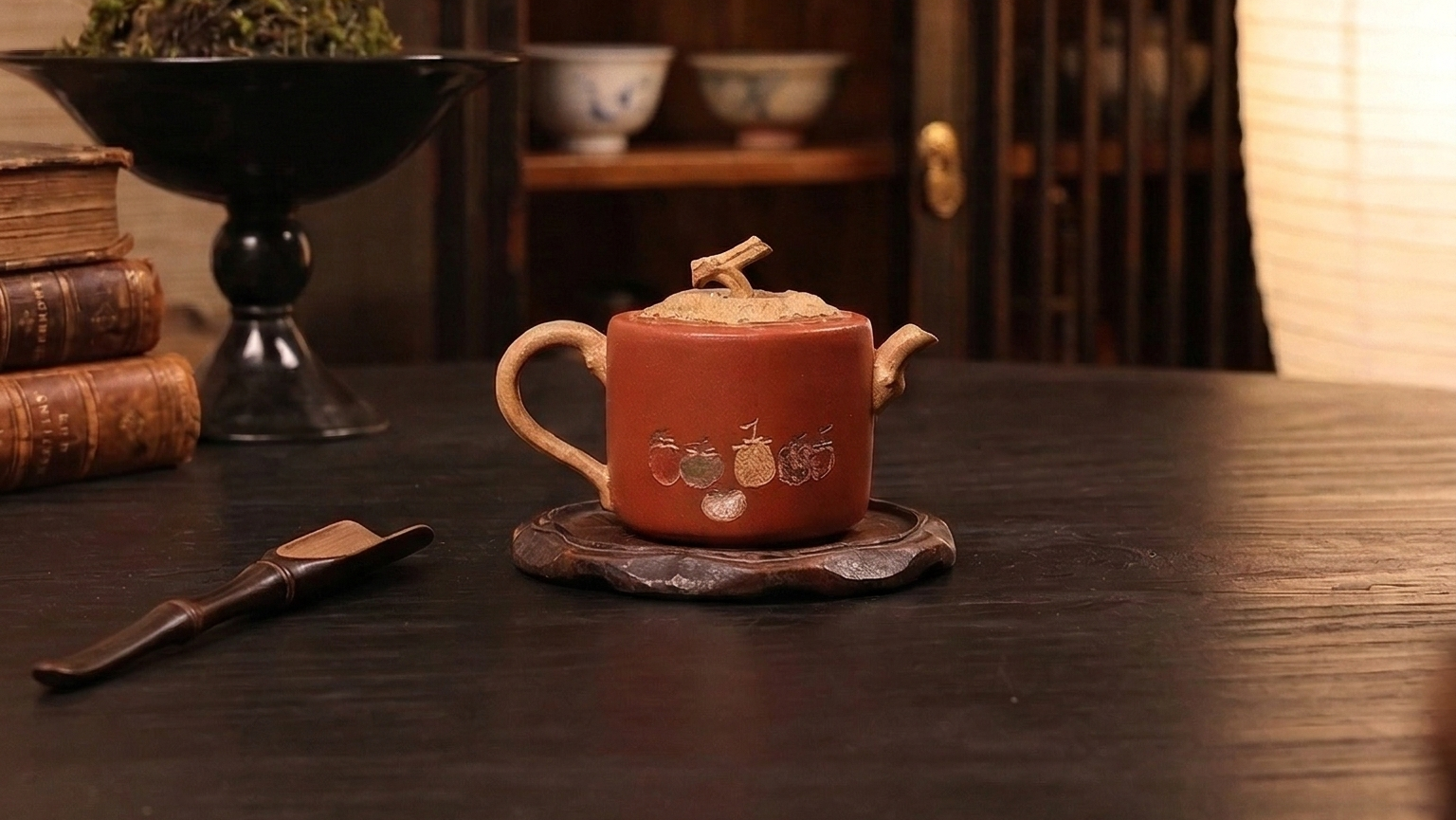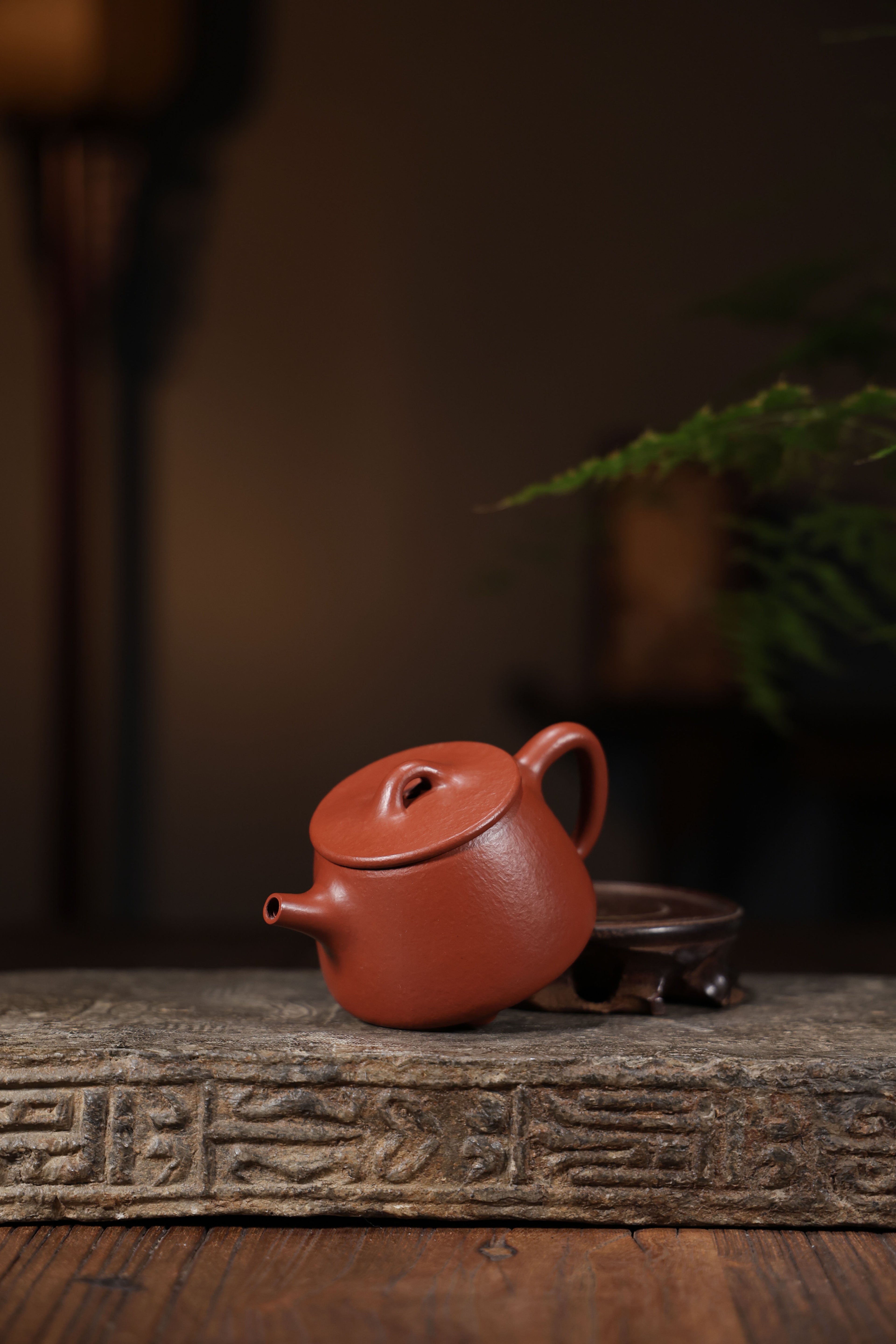
Times of devotees have pursued the uncommon enchantment of Yixing Zisha flasks. Existing in the tranquil town of Yixing, China, these pots are fabricated from a exotic and harvested purple clay esteemed for its superior thermal features and tendency to improve the flavor of potions. Outside of their effective importance, Zisha teapots represent a profound social foundation, transforming them immensely prized and a veritable masterpiece for any passionate teapot lover.
Surveying Yixing Containers
Authentic teapots represent a distinct amalgamation of history and skilled craftsmanship. Originating in Yixing, Jiangsu Territory of China, their narrative stretches the Ming Dynasty, although indications suggest earlier models. The distinctive purplish clay, called Zisha, found just in the Yixing region, is the crucial component, contributing to the pots' superior heat conservation and the manner they alter the quality of tea. Dynasties of potters have refined techniques—often relayed through families—including forming the clay, applying sophisticated embellishments, and firing the pots at regulated temperatures.- Traditionally, Yixing teapots were often furnished with simple designs.
- Eventually, more refined carvings and representative motifs became trendy.
- The heat application itself is a crucial element, requiring extended spans of knowledge.
Gathering Zisha Teapots: Fundamental Points
Commencing a journey to secure Zisha teapots can be pleasurable, but it’s imperative to grasp what to inspect. Authenticity is paramount; focus on the terrain’s natural color, a earthy reddish-brown is regular. Examine the surface; genuine Zisha has a particular tactile sensation, often described as slightly textured. The outline should be pleasing and consistent with time-honored styles, while seals, if present, require careful examination for validity. Don’t avoid to consult with savvy connoisseurs or established resources – their awareness is priceless.
Ancient Kettles: Delving into the Legacy of original Ceramics
Ages have seen Yixing Purple Earth teapots Yixing Zisha Teapot possess a remarkable role in Chinese culture. These finely fashioned pots, sourced exclusively from the locale of Yixing, are renowned for their recognizable tone, grain, and their ability to amplify the quality of liquids. Many collectors desire antique Yixing teapots, regarding them immensely not only for their aesthetic attractiveness, but also for the records they stand for.
Yixing Zisha Teapots: A Finest Varieties and Their Features
Zisha Clay teapots, produced in the regional locale of Yixing, this nation, are famed for their unique clay and exceptional brewing capabilities. Among the countless Zisha types, notable classes that are highly coveted include Tianqing. Binzhou, known for its profound purple shade and even texture, delivers a gentle flavor. This Duan Ni variety, recognizable by its orangish color and partially grainy feel, is viewed to enhance the depth. Lastly, The Zhuni type boasts an rare burgundy tone and can bestow a mild nuance. Each kind offers a singular experience, enabling them remarkably desirable among liquid enthusiasts.
Refining Personal Zisha Teapot
To realize the essence of your Yixing kettle, appreciating the correct way is vital. These clay pots, celebrated for their passability, will steadily take on the quality of the tea you make within them. Begin by rinsing the pitcher thoroughly with clean water. Then, use only select fresh leaf tea, as lower quality options can harm the pot’s delicate notes. Always let the leaves to grow completely, and remember that with each infusion, your Yixing teapot will become steadily unique.
Sustaining Your Cherished Zisha Relic
Proper handling for your Zisha jar is necessary to conserving its appearance and appreciation. Zisha clay, famed for its unique nuance and grain, requires considerate handling. Never use severe substances, as these can injure the film. After every infusion, rinse the pitcher with lukewarm water and allow it to evacuate moisture completely.
- Avoid soaking the pot for extended sessions.
- Regularly use a soft polishing cloth to clean the exterior.
- Reflect on applying a thin layer of food-grade mineral oil inside the vessel after drying, which can avoid staining.
Essentials of Yixing Pots
Yixing clay pots, originating from the Yixing district in Jiangsu Province, China, are celebrated for their distinctive features. Constructed from the unique purple compound known as Zisha, these vessels are prized by infusion enthusiasts worldwide. This digest will plainly explain the principles – covering classes of Zisha ground, prevailing shapes, and important care recommendations. Understanding the foundation of Yixing pitchers can enhance your appreciation for this traditional example of Oriental craftsmanship.
Trade of Asian Teapots: Concentrating on Zisha made in this city of Yixing
Zisha substance from the Yixing territory represents the height of Zhongguo vessel design, demonstrating a unique combination of organic beauty and useful artistry. These outstanding pieces are noted for their profound tones, often stretching over bold purples and mahogany hues to pale greys and faint beiges. The noted mineral composition of the exclusive-to-the-area Zisha substrate imparts a unique texture and delivers a welcoming aroma that heightens the aggregate potion experience, resulting in them strongly valued collectibles and fundamental components of any serious ceremony.