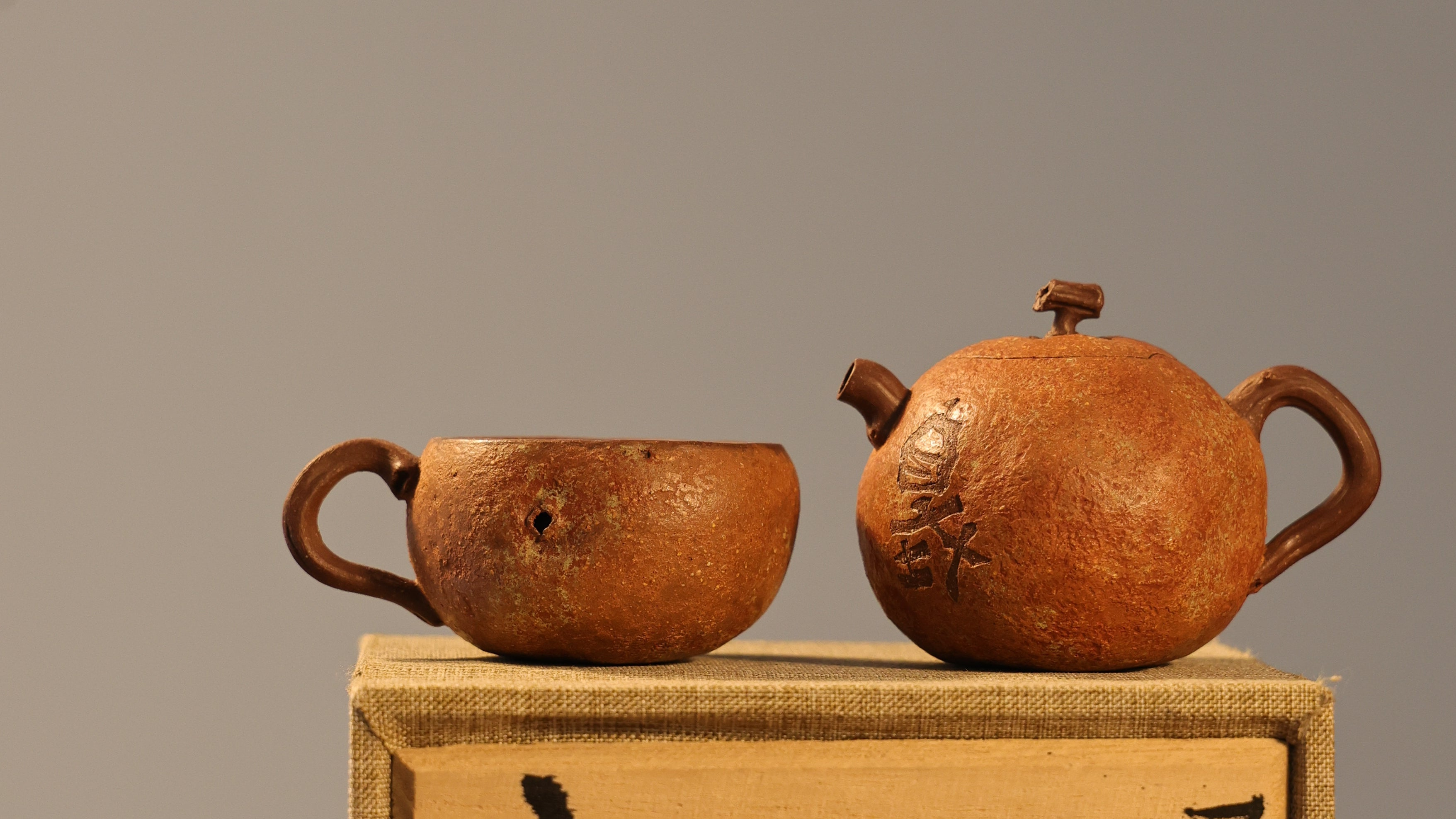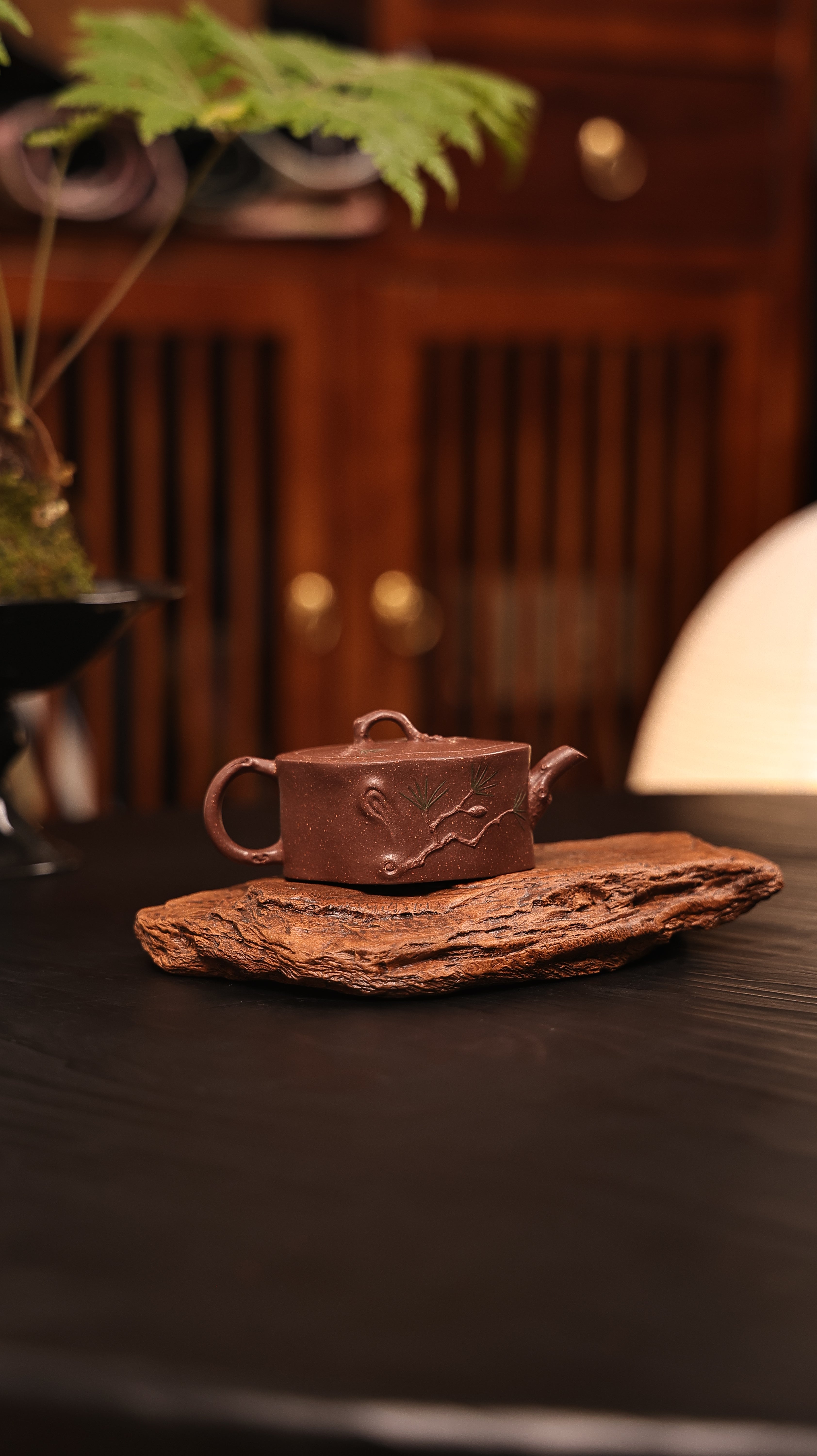
Enduring lineage defines Eastern mugs amid centuries,
Manifesting rare qualities taken out of territorial amethyst components, the pots evolve a finish amid employment, boosting essence emanated from developed concoctions.
Unveiling Yixing Clay: In-Depth Insights into Zisha
Many connoisseurs recognize the distinctive feel of Yixing violet clay, a foundation of classic Chinese ceramics. Emerging from the Yixing region of Jiangsu province, this exceptional clay boasts an intricate mineral composition, in order that bestows amazing qualities to the crafted wares. Categories within Zisha, including Duan Mud, Duan Ni Mud, and Jiang Xi Mud, each features different shades, textures, and curation traits, shaping the absorption and the terminal savor development of the tea.
Celestial Jar Legacies: Exploring Craftsmanship
Celestial teapots embody surpassing mere pots for brew; they represent centuries of customary artistry. From the famous Yixing clay variations, respected for their permeable nature which delivers particular tastes to the beverage, to the graceful porcelain from Jingdezhen, each piece expresses a story of artistry. The construction process is an meticulous practice, often bequeathed through lineages of artists. These artisans use ancient systems such as hand-building, carving on wheels, and decorating, demonstrating profound reverence for the component and the discipline itself. Contemplate the commitment invested in each piece as a symbol of Chinese artistry legacy.
- Eastern clay urns: a distinguished choice.
- Porcelain teapots: distinguished by their delicate design.
- Constructing techniques: a arduous yet profitable procedure.
Eastern Clay Teapot Protection: Preserving Your Precious Object
Proper management of your valued Yixing Zisha urn is necessary to enhancing its durability. Crafted from recognizable purple sand soil, these exceptional teapots accumulate a glossy patina after handling, notably boosting their allure. Refrain from chemicals; a easy rinse with warm aqueous is adequate. Refrain heated water for cleaning the teapot, as it may break its body. Allow it to dry away from strong natural light. Consider seasoning your teapot regularly using premium tea, especially aged varieties. Here is a brief account:
- Wash with temperate aqueous.
- Avoid cleaners.
- Grant it to lose dampness.
- Season with superior tea.
Roots of Yixing Teapots: Foundational Periods
The story of Yixing teapots starts plainly during the Qing dynasty, near the 16th time. Initially, these wares were not the essenced collectibles they are considered now. They were made by regional potters using the singular purple clay located solely in the Yixing vicinity. These early pieces were predominantly utilitarian, targeted for usual utilization and often unpretentious in pattern. It was not until the afterward dynasty that they opened to earn renown beyond mere employable pieces.
Identifying the Suitable Fine Kettle: A Initial Introduction
Entering the sphere of Yixing teapots can be overwhelming, but avoid concern! For novices, the central factor is understanding the mud. Certified Yixing clay is prized for its transparency, allowing the teapot to take in the tea's bouquet over time, boosting every steeping session. Think about the figure; traditional orbicular shapes prevail, yet unique preferences weigh. Lastly, examine the texture—while some favor an basic appearance, others value a mild gloss. Take your time in the choice process—this is an deal in a esteemed piece of craft.
Eastern Clay Vessels and Their Power on Chinese Concoction Custom
Zisha teapots, born from Yixing, China, have profoundly affected classic Chinese potion culture. Those Yixing clay teapots, prized for their unique complexion, pattern, and exceptional ability to impart a subtle aroma to the potion, exist as more than mere pots; they are treasured objects and symbols of renown. The very observance of preparing and serving brew using a Zisha teapot is steeped in importance, elevating the experience beyond simple refreshment. Centuries of artisans have enhanced their techniques, passed down through clans, resulting in highly valued pieces. For this reason, Zisha teapots are frequently treasured, playing a crucial part in cultivating Sino appreciation for aesthetics and the process of tea ceremonies.
- Signature Clay Composition
- Imparting Subtle Flavor
- Exquisite Craftsmanship
Determining Verified Precious Local Vessels
Collecting a original Yixing teapot can be a beneficial experience, but the trade is often flooded with replicas. Discerning between a legitimate antique and a current reproduction requires thorough inspection. Key markers include the clay's russet shade, often displaying patterned prints, and the lack of modern heating imprints. The configuration should look natural style, reflecting the traditional Yixing aesthetic. Finally, investigating the manufacturer's mark is necessary to verify certainty against known archives.
- Assess the clay's fabric.
- Look for blemishes, indicative of custom quality.
- Employ an specialist for appraisal.
Committing to 宜兴 Pottery: A Elaborate Guide to Purple Clay Interpretation
The environment of Yixing Zisha pottery affords a special chance for discerning investors. Continuously, the market price of these well-made Purple Clay Teapot artifacts is steered by various elements, such as the caliber of earthenware, the craftsmanship of the producer, the time-honored consequence, and, naturally, the current market. Newcomers should prioritize on researching the several kinds of Zisha clay—such as Frozen River, Quiet Jug, and Ruby Mud—and exploring the aspects linked to each. Precise appraisal of the object's profile, pigment, and imprint is equally important to make responsible selections when investing.