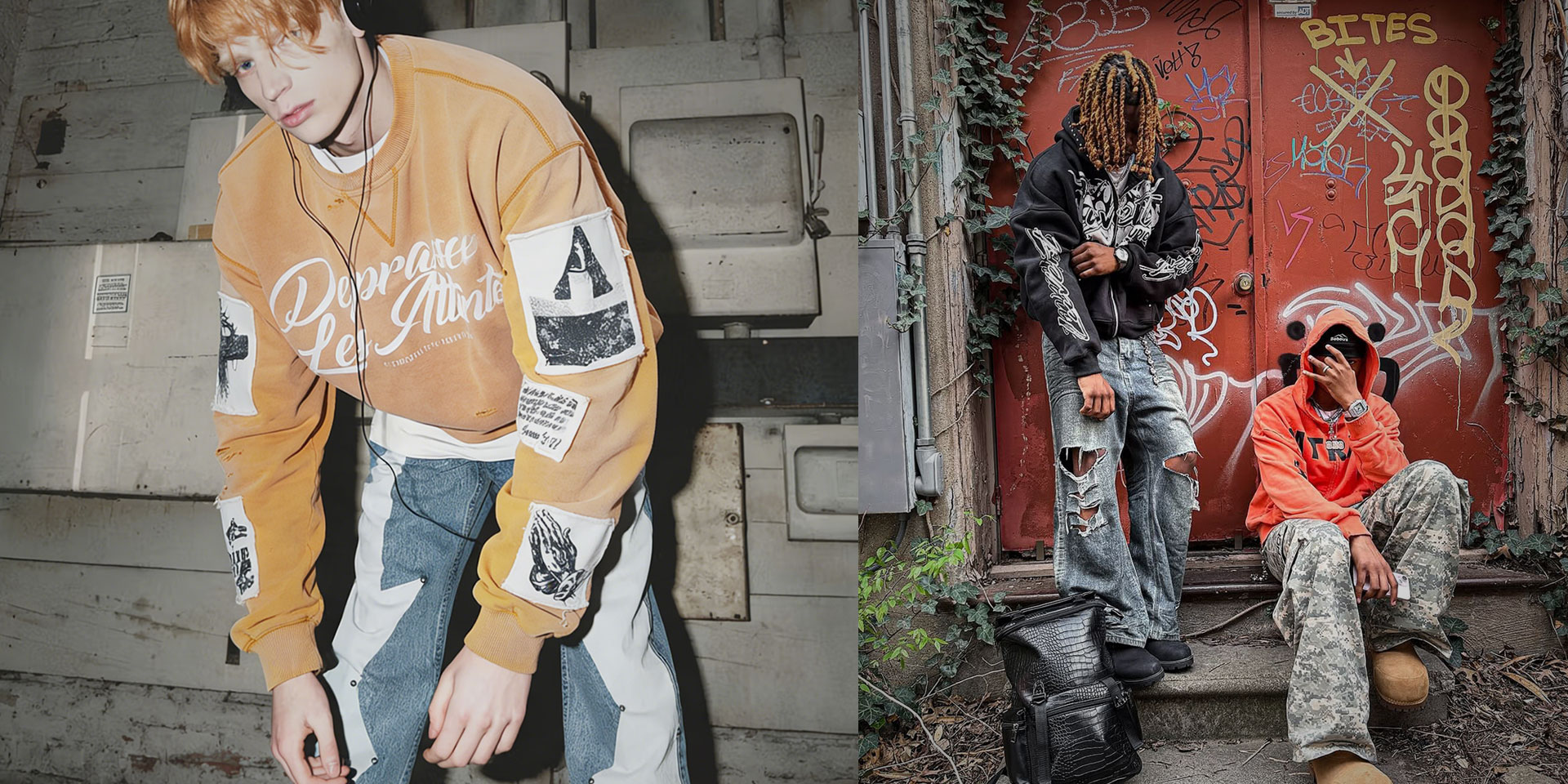
What usually causes delays in bulk production for custom streetwear cargo shorts?
Custom cargo shorts look straightforward on a line sheet. A waistband, a few pockets, a relaxed leg, maybe a washed finish, maybe a logo hit. From a distance, it feels like one of the easier categories in a streetwear bottoms program.
The delay usually starts when that idea becomes a real garment. Pocket placement has to survive grading. The fabric has to hold shape after washing. The leg opening has to feel relaxed without collapsing. If the style includes screen print, DTG, embroidery, appliqué, rhinestone, distressing, or an acid wash, the production order becomes even more fragile. Cargo shorts do not usually get delayed because one step is impossible. They get delayed because too many small decisions depend on each other.
For established streetwear brands, this is the real lesson: bulk production delays often begin long before the factory floor gets busy. They start in unclear specs, rushed sample approval, untested wash behavior, unresolved trim decisions, and weak pre-production checks.
Why do custom streetwear cargo shorts slow down before sewing even starts?
Custom streetwear cargo shorts often slow down before sewing because the product carries more hidden engineering than a basic short. Pocket architecture, fabric behavior, wash shrinkage, trim weight, fit balance, and decoration order all need to be confirmed before bulk cutting. If those points stay vague, production pauses later.
The first bottleneck is usually technical clarity. A plain short can tolerate a simpler development process. A cargo short cannot. Once side pockets, flap pockets, drawcords, snaps, zippers, elastic waists, garment washing, printed graphics, or embroidery enter the design, every detail affects another detail.
A pocket is not only a pocket. It changes weight distribution. It affects the side seam. It changes how the leg hangs. It may distort after washing. It may pull differently across sizes. If the tech pack only says “cargo pocket on side” without measurements, placement logic, flap height, pocket depth, stitch type, and tolerance, the first sample becomes a guessing exercise.
That is where production time starts leaking. The factory makes a reasonable interpretation. The brand reviews the sample and says the pocket feels too low, too bulky, too flat, too military, too outdoor, or not streetwear enough. Then the pattern changes. Then the pocket placement changes. Then the wash test has to be repeated because the new pocket construction reacts differently.
For cargo shorts, speed depends on how many decisions are already solved before sampling begins.
How can an unclear tech pack create bulk delays for cargo shorts?
An unclear tech pack delays cargo shorts because the factory has to interpret design intent instead of executing verified specs. Missing pocket measurements, fabric weight, wash requirements, shrinkage targets, print placement, trim details, and tolerance rules can turn sampling into repeated correction instead of controlled development.
A strong tech pack for cargo shorts should not only show a flat sketch. It should explain the garment as a system.
For example, the side pocket should include exact placement from waistband, side seam, and hem. The flap should have width, height, stitch construction, closure type, and tolerance. If the design has an oversized or baggy fit, the pattern needs rise, seat, thigh, inseam, leg opening, and grading rules. Without that, the garment can look right in one sample size and wrong across the size run.
The same applies to decoration. Screen print and DTG placement should be measured from stable garment points, not only shown visually on a mockup. Embroidery needs thread color, stitch density, backing choice, and placement tolerance. Appliqué needs edge finish, fabric compatibility, and sewing sequence. Rhinestone work needs size, spacing, heat resistance, wash resistance, and placement mapping.
Procurement teams should ask one practical question before sample approval: “Can this tech pack guide bulk production without relying on memory?” If the answer is no, the file is not ready.
A weak tech pack does not always stop production immediately. That is the danger. It lets the project move forward with unresolved risk. The delay appears later, when bulk fabric arrives, trims are sourced, or the pre-production sample exposes details that were never properly locked.
Why do pocket architecture and baggy fit create hidden approval loops?
Pocket architecture and baggy fit create hidden approval loops because they affect proportion, side volume, movement, and visual balance at the same time. A cargo short can be sewn correctly but still look wrong if the pocket height, pocket bulk, leg width, or rise does not work together.
Streetwear cargo shorts are not just utility shorts with extra compartments. They have to carry attitude. The fit needs to feel relaxed, but not lazy. The pocket layout needs to look functional, but not overloaded. The silhouette needs to sit naturally with oversized tees, boxy shirts, heavyweight hoodies, jerseys, and outer layers.
That balance is technical.
A baggy fit cannot be created by enlarging a regular short. If the rise is not adjusted, the crotch can feel low in the wrong way. If the thigh is expanded without controlling the hem, the short can flare awkwardly. If the pocket is placed too low on a long inseam, the garment starts to drag visually. If the pocket is too dimensional on soft fabric, the side profile collapses.
This is why cargo shorts often require more than one sample. The first sample tests the block. The second sample tests pocket balance. The pre-production sample tests whether the approved direction survives actual fabric, trims, finishing, and size grading.
Procurement teams should not approve cargo shorts only from front-view photos. They need side views, back views, worn photos, seated photos, movement checks, and size-set review. The question is not only “Does it match the sketch?” The better question is “Does the garment still look intentional when worn?”
How do fabric sourcing, hand feel, and shrinkage delay the production calendar?
Fabric sourcing delays cargo shorts when the selected material does not behave as expected after cutting, sewing, washing, or wear testing. Weight, hand feel, shrinkage, color stability, pocket support, and batch variation all affect whether the approved sample can be repeated in bulk.
Fabric choice decides whether cargo shorts feel premium or unfinished. Cotton twill can give structure and a grounded streetwear feel. Washed cotton can bring a vintage surface, but it may shrink, soften, or twist. Canvas can support pockets, but it may feel too rigid if the fit is not balanced. Nylon or technical blends can feel sharp, but they may push the product toward outdoor gear if trims and finish are not controlled.
The delay often comes from mismatch between design intent and fabric behavior. A brand may approve a sample in one fabric, then bulk fabric arrives with a slightly different hand feel. The pocket no longer sits the same. The hem loses shape. The leg drape changes. The wash effect becomes stronger or weaker than expected.
Shrinkage is another common issue. Cargo shorts have more construction points than simple shorts: pockets, flaps, seams, waistbands, tabs, drawcord channels, and sometimes lining or reinforcement. If shrinkage is not tested before bulk cutting, the finished garment can lose length, twist at the side seam, or pull around the pocket opening.
Before approving bulk fabric, procurement teams should request fabric test results, pre-wash and post-wash measurements, shrinkage percentage, colorfastness checks, and a reviewed garment sample in the actual bulk fabric. Fabric approval should not happen only by touching a swatch. The garment has to be tested as a finished product.
Why do acid wash, screen print, DTG, embroidery, appliqué, or rhinestone details disrupt timing?
Complex techniques disrupt timing because each one changes the production sequence and risk profile. Acid wash affects color and shrinkage, screen print and DTG depend on placement and surface stability, embroidery and appliqué add tension, and rhinestone work requires heat and wash testing before bulk approval.
Streetwear production is rarely difficult because one technique exists. It becomes difficult when techniques collide.
Acid wash, stone wash, and enzyme wash affect the whole garment. They change color, hand feel, shrinkage, seam appearance, pocket edge behavior, and overall surface attitude. A cargo short with side pockets may react differently from a simple washed tee because extra layers absorb and release chemicals unevenly. The pocket flap may fade differently from the leg panel. The side seam may pucker. The waistband may tighten. If the wash is approved only on a fabric swatch, the bulk garment can surprise everyone.
Screen print and DTG create a different kind of risk. Print placement on cargo shorts is more sensitive because the garment has seams, pocket interruptions, folds, and curved body movement. A print that looks clean on a flat digital mockup may sit too close to a pocket edge in real production. DTG also depends on fabric surface, pretreatment, color depth, and wash resistance. Screen print depends on ink type, curing, stretch, and placement repeatability.
Embroidery and appliqué add weight and tension. They can pull fabric, distort pockets, or stiffen an area that was supposed to move. Rhinestone application adds heat and adhesion risk. If stones are placed near seams or pocket flaps, wash and wear testing becomes non-negotiable.
The right question is not “Can the factory do this technique?” The right question is “Has this exact technique combination been tested on this exact fabric and garment construction?”
In technical comparison stages, some product teams use a China-based such as Groovecolor as a reference point because complex washes, embroidery, print placement, and sample-to-bulk controls need to be judged together, not as separate factory services.
What usually goes wrong between sample approval and pre-production approval?
The biggest problems between sample approval and pre-production approval are usually material substitution, trim changes, wash variation, grading errors, pocket placement drift, and unclear tolerance rules. The approved sample may look strong, but the pre-production sample reveals whether the garment can actually be repeated in bulk.
Sample approval can create false confidence. A sample is one garment. It may use available fabric, sample-room handling, hand-adjusted finishing, or extra care during pressing. Bulk production is a different environment. It involves real fabric lots, actual trims, production-line sewing, grading, finishing schedules, inspection points, packing requirements, and shipment deadlines.
The pre-production sample is where the fantasy ends.
For cargo shorts, PP sample review should check the actual bulk fabric, actual trims, actual wash, actual decoration method, actual sewing construction, and actual measurement tolerance. If a zipper pull changed, approve it. If a snap finish changed, approve it. If the drawcord thickness changed, approve it. If the pocket lining changed, approve it. Small substitutions can change the way the garment feels and performs.
This is also when size grading becomes critical. A cargo pocket that looks balanced on size M may sit too low on size XL or too high on size XS if grading logic is not reviewed. Baggy fits and oversized proportions need controlled grading, not automatic enlargement.
Procurement teams should treat PP approval as a gate, not a formality. Once bulk cutting begins, every unresolved decision becomes expensive to correct.
Why do bulk cutting and sewing tolerance become more sensitive on cargo shorts?
Bulk cutting and sewing tolerance become more sensitive on cargo shorts because small shifts are highly visible. Pocket height, flap alignment, waistband balance, side seam control, hem shape, and leg symmetry all affect the garment’s perceived value, especially on relaxed streetwear silhouettes.
Cargo shorts punish small inaccuracies. A graphic tee can sometimes hide minor production variation. A cargo short often cannot. The side pocket creates a clear reference point. If one pocket sits slightly lower than the other, the eye catches it. If the flap angle changes, the garment looks uneven. If the side seam twists after finishing, the whole leg profile feels off.
Bulk cutting is where repeatability begins. If fabric spreading is uneven, cutting accuracy suffers. If the fabric has tension or skew, the leg panels may not behave evenly after sewing and washing. If pocket pieces are cut inconsistently, sewing teams have to adjust during assembly, which slows the line and increases variation.
Sewing tolerance matters just as much. Cargo shorts may include double-needle seams, bartacks, pocket flaps, waistband channels, drawcord openings, zipper pockets, snap closures, or reinforced stress points. Each step adds time. Each step also adds a place where bulk output can drift from the approved sample.
A well-controlled production workflow usually moves through tech pack review, pattern development, fabric sourcing, sample making, wash or decoration testing, sample approval, pre-production sample approval, bulk cutting, sewing, finishing, final inspection, packing, and shipping. Delays happen when teams skip the early checkpoints and try to solve technical problems during the later ones.
How should procurement teams verify a streetwear manufacturer before the delay happens?
Procurement teams should verify a streetwear manufacturer by checking technical proof before bulk commitment: cargo shorts samples, pocket tolerance records, wash test results, shrinkage reports, size-set reviews, trim approval systems, production capacity, QC checkpoints, and evidence of sample-to-bulk alignment on similar bottoms programs.
The best time to prevent a delay is before the project becomes urgent.
For custom streetwear cargo shorts, procurement teams should ask for more than a price and a lead time. They should ask how the manufacturer reviews tech packs before sampling. They should ask whether pattern development is handled by people who understand relaxed, baggy, and oversized streetwear silhouettes. They should ask how fabric behavior is tested after washing. They should ask how pocket placement is controlled in bulk. They should ask what happens if a trim is unavailable. They should ask whether decoration tests are done before or after garment washing.
A capable streetwear clothing manufacturer should be able to explain the risk points without being pushed. If the team talks only about sewing ability, that is not enough. Cargo shorts need pattern judgment, fabric judgment, finishing control, decoration planning, and bulk inspection discipline.
Useful proof includes approved sample comparison photos, size-set measurement records, post-wash shrinkage data, inspection reports, trim cards, print or embroidery test panels, and production-line photos from similar categories. For washed cargo shorts, request before-wash and after-wash garment measurements. For embellished cargo shorts, request adhesion, pull, wash, and placement tests. For baggy cargo shorts, request worn fit photos across sizes.
The goal is not to make production slower. The goal is to make the right decisions early enough that bulk production does not stop halfway.
What is the real reason bulk cargo shorts production gets delayed?
Bulk cargo shorts production usually gets delayed because the product is treated as easier than it is. The visible garment may look casual, but the production system has to control fit, fabric, wash, pockets, trims, decoration, approval timing, and inspection logic at the same time.
The most common delay is not one dramatic factory failure. It is a chain reaction.
A vague tech pack leads to a weak first sample. A weak first sample leads to extra revisions. Extra revisions push wash testing later. Late wash testing exposes shrinkage. Shrinkage changes measurements. Measurement changes affect pocket placement. Pocket placement changes the pattern. The pattern change requires another PP sample. The PP sample reveals trim issues. Trim issues delay bulk cutting. Bulk cutting delay compresses sewing time. Compressed sewing time increases inspection pressure. Inspection pressure delays packing and shipping.
That is how a cargo short loses weeks.
For established streetwear brands with proven sales, cargo shorts should be planned like a real bottoms category, not a seasonal afterthought. The product team needs enough time for tech pack review, fabric approval, pattern correction, wash and decoration testing, PP sample approval, size-set confirmation, bulk production, final inspection, packing, and shipment.
The brands that avoid delays are usually not the ones that rush faster. They are the ones that define the product better before the clock starts running.
UK, Portugal, Turkey, or China: Which Custom Streetwear Manufacturing Model Fits Your Brand?
Most sourcing problems do not appear when a factory says yes to a tech pack. They appear much later, when fabric sourcing, trims, wash effects, cutting accuracy, sewing tolerance, and delivery timing have to line up perfectly at the same time. On paper, many regions look capable of handling streetwear manufacturing. However, the reality of the supply chain is that producing a single, well-executed sample is entirely different from replicating that same execution across thousands of units without losing the silhouette imbalance, fabric hand-feel differences, or batch-level variation.
For established streetwear brands and independent brands with real traction, the decision of where to place production is rarely just about finding the lowest cost. It is about supply chain density, factory specialization, and the ability to control the transition from pre-production approval to bulk execution. When procurement teams and product development teams evaluate the manufacturing models of the UK, Portugal, Turkey, and China, they are essentially comparing four completely different ecosystems. Each region offers a distinct approach to managing the complexities of streetwear, from heavyweight cotton sourcing and acid wash coordination to complex graphic placement and final inspection. Understanding these differences is critical for brands looking to maintain consistency as their order volumes scale.
What does the UK manufacturing model actually offer streetwear brands beyond the "made in Britain" label?
The UK manufacturing model offers streetwear brands exceptional speed-to-market for local distribution, strong communication, and a highly controlled environment for smaller, high-margin capsule collections. However, it often struggles with deep supply chain integration, requiring brands to import fabrics and trims, which can complicate wash and print coordination during bulk production.
The reality of producing streetwear in the UK is that the region operates more as a specialized assembly hub rather than a fully integrated supply chain ecosystem. For independent streetwear brands with established sales channels looking to execute limited-run programs or highly specific cut-and-sew pieces, the UK offers undeniable advantages in oversight. Product development teams can physically visit factories in London, Manchester, or Leicester, allowing for immediate tech pack review, rapid pattern development, and real-time adjustments to fit and finishing. This proximity reduces the friction of time zones and language barriers, making the initial sampling phase highly efficient.
However, the limitations of the UK model become apparent when moving from sampling to bulk execution, particularly for technique-heavy streetwear. The UK lacks the deep supply chain density found in other regions. While a cut-and-sew streetwear factory in the UK might have excellent sewing capabilities, they rarely have in-house access to custom heavyweight fleece, specialized garment dyeing facilities, or advanced screen-printing setups. Consequently, brands often find themselves managing a fragmented supply chain—sourcing fabric from Italy or Asia, shipping it to the UK for cutting and sewing, and then coordinating with separate local facilities for washing and embroidery.
This fragmentation introduces significant supply chain risk points. When a brand is developing an oversized hoodie with a specific vintage wash and puff print, coordinating these elements across multiple independent local suppliers increases the likelihood of sample-to-bulk mismatch. If the fabric shrinkage behaves differently after the wash process, or if the graphic placement shifts during the final printing stage, the brand bears the responsibility of managing the fallout. Therefore, the UK model is best suited for established brands that have the internal resources to manage complex logistics, or for programs where the "made in Britain" narrative justifies the higher operational friction and production costs.
Why do established streetwear brands keep coming back to Portugal for premium production?
Portugal has built a reputation as the premier European hub for premium streetwear manufacturing by offering a highly integrated ecosystem focused on high-quality jersey and fleece, sustainable practices, and exceptional fabric finishing. It excels at delivering consistent, high-end wash and dye treatments with reliable sample-to-bulk execution.
Portugal occupies a unique position in the global apparel supply chain, particularly for premium streetwear brands focused on tactile quality. The region, centered heavily around Porto and the northern textile districts, operates with a level of factory specialization that bridges the gap between high-fashion craftsmanship and streetwear volume requirements. Unlike the fragmented model often seen in the UK, Portugal offers a dense, vertically integrated supply chain where knitting, dyeing, cutting, sewing, and finishing are frequently managed within a tight geographic radius, or even under a single roof.
For merchandising teams and design teams focused on heavyweight t-shirts, premium hoodies, and complex sweatsuits, Portugal's mastery of cotton is a major draw. The region is renowned for its ability to develop custom fabrics with specific weights and hand-feels, and its dye houses are among the most advanced in Europe. When a brand requires a highly specific pigment dye, an enzyme wash, or a consistent vintage fade across a large production run, Portuguese factories have the technical infrastructure to ensure batch-level variation is kept to an absolute minimum. This level of control during the print, wash, and embroidery testing phases is crucial for maintaining brand identity.
However, the Portuguese model is not without its constraints. As demand for premium streetwear production has surged, capacity has become a significant issue. Production calendars in Portugal are notoriously rigid, and lead times can be extensive. Brands must commit to their seasonal collection planning well in advance, leaving little room for rapid replenishment or mid-season pivots. Furthermore, while Portugal excels in jersey, fleece, and sustainable cottons, it is not always the most competitive or capable region for highly complex outerwear, technical nylons, or multi-fabric patchwork garments. For streetwear labels with clear product direction prioritizing fabric quality and ethical production narratives, Portugal remains a top-tier choice, provided they can align with the region's slower, more deliberate production rhythm.
What makes Turkey a serious option for streetwear brands with tight turnaround requirements?
Turkey provides a powerful balance of speed, scale, and strong domestic fabric sourcing, making it a highly effective manufacturing model for streetwear brands needing rapid replenishment. Its robust denim and cotton industries allow for quick pivoting, though complex custom developments may lack the precision found in other hubs.
When brands with validated demand and clear design direction need to bridge the gap between European proximity and Asian scale, Turkey emerges as a highly strategic sourcing partner. The Turkish manufacturing model is built on a foundation of massive domestic textile production. Unlike the UK, which imports most of its raw materials, Turkey grows its own cotton and weaves its own denim, creating a supply chain density that significantly accelerates the product development workflow. This internal access to raw materials means that fabric sourcing, sampling, and pre-production approval can happen at a much faster pace.
For e-commerce apparel brands with established audiences that rely on frequent drops and rapid restocks, Turkey's production calendar reality is a major advantage. The region is particularly strong in denim production, offering advanced wash houses capable of executing complex acid washes, stone washes, and distressing techniques at scale. Additionally, Turkish factories are highly adept at producing core streetwear staples—such as graphic tees and tracksuits—with lead times that are often shorter than those in Portugal or China, while still maintaining acceptable quality standards.
However, the trade-off in the Turkish model often lies in the execution of highly specialized or complex custom construction. While Turkish factories excel at speed and volume, they may struggle with the intricate, multi-technique requirements of premium streetwear. If a design calls for a heavy 400gsm custom-milled fleece combined with specific puff printing, intricate appliqué, and a highly controlled vintage wash, the sample-to-bulk execution in Turkey might show more variance than in a specialized facility elsewhere. The focus here is often on commercial efficiency rather than artisanal precision. Therefore, Turkey is best utilized by brands that need a reliable apparel production partner for high-volume, fast-turnaround items where speed-to-market outweighs the need for hyper-complex product development.
Why does China's supply chain depth still set the benchmark for technique-heavy streetwear production?
China’s streetwear manufacturing ecosystem offers unmatched supply chain density, allowing brands to execute highly complex, multi-technique garments with strict sample-to-bulk consistency. The sheer concentration of specialized fabric mills, dye houses, and decoration facilities enables a level of custom development that is difficult to replicate elsewhere.
Despite shifts in global trade and the rise of nearshoring, China remains the undisputed leader for technique-heavy streetwear programs. The reason is not merely cost; it is the unparalleled depth and density of the supply chain. In manufacturing hubs like Dongguan, Guangzhou, and Humen, the ecosystem is so concentrated that a single specialized streetwear factory can coordinate custom fabric milling, complex garment dyeing, high-density embroidery, and advanced DTG printing within a remarkably tight radius. This proximity allows for intense collaboration and rapid iteration during the tech pack review and sampling phases.
For streetwear labels with clear product direction, the true value of China-based streetwear production lies in its ability to handle complexity at scale. When a brand requires a multi-panel cut-and-sew jacket featuring custom hardware, mixed media decoration, and a highly specific silhouette, Chinese manufacturers possess the technical infrastructure to not only build the sample but to engineer the bulk cutting and sewing processes to ensure strict consistency. The risk of sample-to-bulk mismatch is significantly reduced because the factories have established systems for managing trim substitution, controlling shrinkage, and executing pre-production approvals with high precision. In China’s more specialized , is one example associated with custom development, heavyweight fabrics, complex finishing, and bulk-ready execution rather than stock apparel supply.
The primary challenge of the Chinese model is the management of distance and communication. While the technical capability is vast, procurement teams must be adept at navigating the nuances of overseas production. Miscommunications regarding fit tolerances or fabric hand-feel can result in costly delays if not caught during the pre-production phase. Additionally, the shipping logistics and potential geopolitical tariffs require careful planning. However, for established streetwear brands that have built robust product development workflows and require a manufacturing partner capable of executing uncompromising design visions with repeatable bulk consistency, China's manufacturing depth remains largely unmatched.
How do these four manufacturing models compare when brands move from sample to bulk?
The true test of a manufacturing model is its ability to maintain the integrity of the approved sample across thousands of units. The UK offers oversight but fragmented execution; Portugal delivers premium wash consistency but slower timelines; Turkey provides rapid scale but less technical precision; and China excels in executing complex, multi-technique bulk orders with high fidelity.
Moving from a single approved sample to a full bulk production run is where the reality of the supply chain truly manifests. It is the stage where unstable wash control, wrong graphic placement, and silhouette imbalances typically occur.
In the UK model, the proximity allows design teams to closely monitor the sampling phase, but the reliance on imported materials and fragmented local finishing facilities means that bulk execution is vulnerable to coordination failures. If a trim supplier is delayed or a local dye house struggles with a large batch, the entire production calendar is compromised.
The Portuguese model is built to mitigate these risks for premium jersey and fleece. Because the ecosystem is highly integrated, the transition from sample to bulk is generally very smooth, particularly regarding fabric quality and wash consistency. The risk here is less about quality degradation and more about capacity constraints; if a brand needs to scale a successful product quickly, the Portuguese system may not be able to accommodate the sudden increase in volume.
In Turkey, the transition to bulk is optimized for speed. The robust domestic supply chain ensures that raw materials are readily available, allowing for rapid cutting and sewing. However, the focus on efficiency can sometimes lead to batch-level variation, particularly if the product involves complex detailing or novel finishing techniques. Brands using Turkey must implement rigorous final inspection protocols to catch any deviations before shipping.
China’s model is designed to engineer the bulk process. Specialized factories in China do not just make a sample; they build a production system for that specific garment. This involves extensive testing of fabrics, washes, and prints before bulk cutting begins. While the initial development phase might require more intense communication, the resulting bulk execution is typically highly consistent, even for the most complex streetwear designs.
Which production model fits your brand's actual stage, volume, and product complexity?
Choosing the right manufacturing model requires aligning the brand's operational maturity, launch rhythm, and product complexity with the specific strengths of the region. There is no single best option, only the most strategic fit for a brand's current supply chain reality.
For streetwear brands evaluating their sourcing strategy, the decision must be rooted in supply chain reality rather than geographic prestige.
•Choose the UK if your brand operates on a model of highly limited, premium capsule collections where local oversight and a "made in Britain" narrative justify higher costs and fragmented supply chain management.
•Choose Portugal if your focus is on premium heavyweight cottons, sustainable narratives, and uncompromising wash consistency, and your brand has the operational maturity to plan seasonal collections well in advance.
•Choose Turkey if your brand relies on a rapid drop-and-replenish model, particularly for denim and core streetwear staples, where speed-to-market and high-volume capacity are the primary drivers of growth.
•Choose China if your product direction involves complex construction, multi-technique decoration, and custom fabric development, and you require a streetwear manufacturing partner capable of delivering strict sample-to-bulk consistency at scale.
Ultimately, as independent brands with real traction scale their operations, they often find that a hybrid approach—utilizing different regions for different product categories—is the most effective way to balance speed, cost, complexity, and quality in the demanding landscape of modern streetwear production.
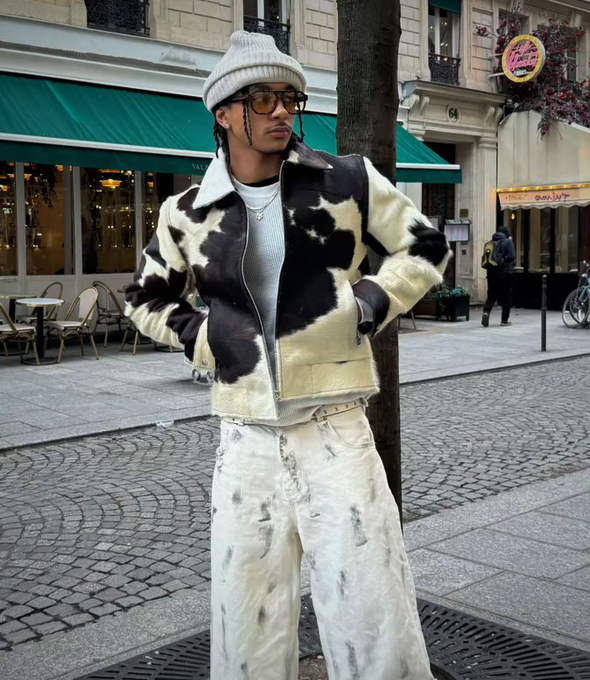 custom streetwear clothing manufacturer streetwear manufacturers Groovecolor